



Simulation games stand as a unique cornerstone in the gaming industry, capturing the imagination of players worldwide. Derived from real-world scenarios or fantastical settings, these games offer players the opportunity to simulate activities or environments with precision, creativity, and fun. The category's immense popularity has been attributed to its inherent ability to allow players to step into a variety of roles and scenarios, ranging from city builders and race car drivers to complex flight simulators and life simulation games.
A key aspect of simulation games is their capacity for expansive realism and intricate details. Games like 'The Sims' empower players to create and control their virtual worlds, managing everything from architecture and design to the daily lives of characters. Meanwhile, titles such as 'Microsoft Flight Simulator' provide an almost lifelike experience, using real-world mapping and physics to deliver a truly immersive feel as players soar through the skies. Such games not only entertain but also educate, offering insights into various professions and hobbies.
Simulation games frequently incorporate advanced technology and design principles to enhance the gaming experience. With the advent of virtual reality (VR) and augmented reality (AR), players are able to dive even deeper into the virtual worlds created within these games. Technologies like these are pushing the boundaries of what is possible, making the simulations more engaging and engulfing than ever before.
The universal appeal of simulation games is also buoyed by their versatility and the degree of freedom they offer players. Unlike games with pre-determined narratives, simulation games often encourage creativity and innovation, letting players explore a vast array of outcomes via their decisions and strategies. This open-ended nature fosters a distinct sense of ownership and accomplishment.
Furthermore, the community-driven nature of simulation games cannot be ignored. Many games within this category support extensive modding communities, where players can tweak and expand their gaming experience far beyond the original scope. By allowing community-driven content creation and sharing, simulation games continue to evolve and stay relevant.
In conclusion, the simulation games category is a vibrant segment where technology, imagination, and interactivity converge. Its focus on realism and creativity not only makes it an attractive genre for seasoned gamers but also an inviting platform for newcomers. Whether players are looking to experience life through a different lens or hone a particular skill, simulation games offer a multitude of possibilities. As technology continues to advance, one can only speculate about the future innovations this gaming category will witness, promising even more engaging and realistic experiences for players worldwide.

Exploring the advancements and trends in online gaming platforms, highlighting the rise of virtual reality and future projections.
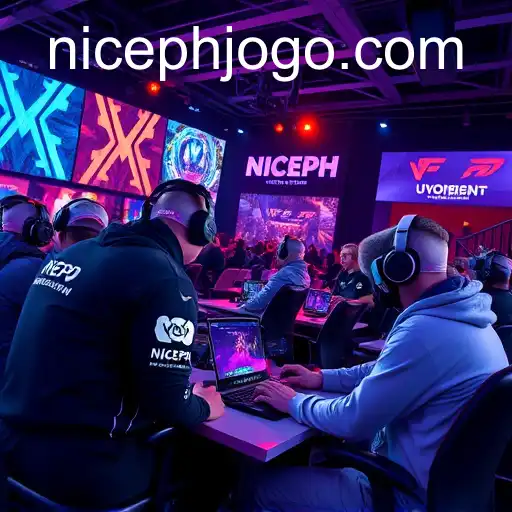
Exploring the impact of NICEPH on the gaming community and industry in 2026.

Analyzing the impact of platforms like Niceph on the gaming industry and community in 2026.
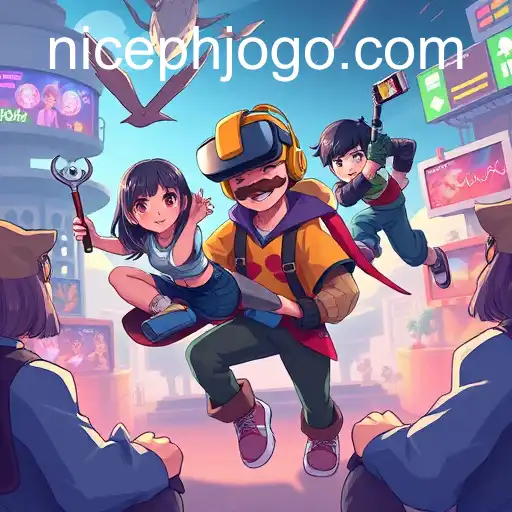
Discover the latest innovations in the gaming world as NICEPH introduces new features to engage and expand its community.

Exploring the meteoric rise of NICEPH, an innovative platform reshaping the online gaming landscape in 2026.

An exploration of Niceph's role in the gaming industry and its contributions to technological advancements.
